Japanese Road Signs
Essential Japanese Road Signs & Driving Rules: A Guide for Tourists
Driving in Japan gives you the freedom to explore scenic countryside routes,
hidden mountain villages, and coastal highways at your own pace.
However, Japanese traffic rules and road signs differ significantly from those in North America, Europe, and Oceania.
Before picking up your rental car, take a few minutes to master these essential Japanese road signs and driving regulations to ensure a safe, fine-free road trip.
1. Must-Know Japanese Road Signs
Japan uses unique visual symbols for its traffic control signs.
The most critical signs to recognize immediately are listed below.
Sign Name (English) & Japanese / Romaji
Visual Description
Driving Rule & Key Difference

STOP
止まれ
(Tomare)
Red inverted triangle with white border and text.
Complete Stop Required. You must come to a 100% full stop before the white line. Unlike the international octagonal STOP sign, Japan uses an inverted triangle.

SLOW DOWN
徐行
(Jokou)
Red inverted triangle with “徐行” text.
Reduce speed immediately so you can stop within a meter if necessary (typically under 10 km/h).

NO ENTRY
車両進入禁止
(Sharyou Shinnyu Kinshi)
Red circle with a horizontal white bar.
Do not enter. Commonly posted at the exits of one-way streets, parking lots, and highway off-ramps.

NO VEHICLES
車両通行止め
(Sharyou Tsuukoudome)
White circle with a thick red border.
Closed to all vehicles. No motor vehicles, motorcycles, or bicycles may enter.

ONE-WAY
一方通行
(Ippou Tsuukou)
Blue rectangle with a white arrow.
Vehicles may only travel in the direction indicated by the arrow.
STOP
止まれ(Tomare)
Red inverted triangle with white border and text.
Complete Stop Required. You must come to a 100% full stop before the white line. Unlike the international octagonal STOP sign, Japan uses an inverted triangle.
SLOW DOWN
徐行(Jokou)
Red inverted triangle with “徐行” text.
Reduce speed immediately so you can stop within a meter if necessary (typically under 10 km/h).
NO ENTRY
車両進入禁止(Sharyou Shinnyu Kinshi)
Red circle with a horizontal white bar.
Do not enter. Commonly posted at the exits of one-way streets, parking lots, and highway off-ramps.
NO VEHICLES
車両通行止め(Sharyou Tsuukoudome)
White circle with a thick red border.
Closed to all vehicles. No motor vehicles, motorcycles, or bicycles may enter.
ONE-WAY
一方通行(Ippou Tsuukou)
Blue rectangle with a white arrow.
Vehicles may only travel in the direction indicated by the arrow.
2. Unique Driving Rules in Japan
Understanding the signs is only half the battle.
Keep these vital traffic regulations in mind every time you get behind the wheel.
Drive on the Left Side: Japan drives on the left side of the road, and steering wheels are on the right side of the vehicle.
Never Turn on Red: Turning left or right on a solid red light is strictly illegal in Japan unless an explicit green arrow light is illuminated.
Mandatory Stop at Railroad Crossings: You must come to a complete stop before every train track crossing (Fumikiri), check left and right, and listen before proceeding.
Strict Zero-Tolerance Drink-Driving Law: Japan has a zero-tolerance policy for driving under the influence of alcohol. Driving after consuming even one drink results in severe criminal penalties and heavy fines.
3. Expressways & Hanshin Expressway in Osaka
Japan’s expressways (高速道路 – Kousokudouro) provide efficient travel between cities.
If you are starting your journey from Osaka, you will likely use the Hanshin Expressway (阪神高速 – Hanshin Kousoku), an urban toll road network connecting Osaka, Kobe, and Kyoto.
Expressway Toll Lanes
When entering or exiting an expressway, you will encounter three main types of toll gates:
Toll Lane Type
Color Code
Who Can Use It
Important Rules

ETC Only (ETC専用)
Purple / Blue
Vehicles equipped with an active ETC card inserted into the reader.
Slow down to under 20 km/h when approaching the gate. The barrier bar will lift automatically.

Cash / Manual
(一般)
Green
Drivers paying with Cash or Credit Card (No ETC card).
Come to a complete stop. Take a transit ticket at the entry gate, and hand it with your payment at the exit gate.
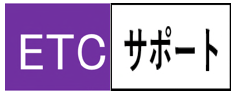
Support / Combined (ETC/サポート)
Purple & White
Vehicles needing assistance, or non-ETC cars at dedicated ETC stations.
Follow staff instructions or press the call button if the barrier does not open.
ETC Only
(ETC専用)
Purple / Blue
Vehicles equipped with an active ETC card inserted into the reader.
Slow down to under 20 km/h when approaching the gate. The barrier bar will lift automatically.
Cash / Manual
(一般)
Green
Drivers paying with Cash or Credit Card (No ETC card).
Come to a complete stop. Take a transit ticket at the entry gate, and hand it with your payment at the exit gate.
Support / Combined
(ETC/サポート)
Purple & White
Vehicles needing assistance, or non-ETC cars at dedicated ETC stations.
Follow staff instructions or press the call button if the barrier does not open.
⚠️ Important Notice for Hanshin Expressway in Osaka
Hanshin Expressway is rapidly transitioning to 100% ETC-Only operation.
Many entrances in the Osaka metropolitan area no longer accept cash payments.
We Strongly Recommend Renting an ETC Card: Without an ETC card, your navigation options in Osaka will be severely limited, and missing a cash-compatible entrance can cause major detours.
If You Drive Without an ETC Card: You must look specifically for toll gates marked “一般” (Cash) or “サポート” (Support).
If you mistakenly enter a purple “ETC 専用” lane without a card, do not reverse.
Stop safely, press the interphone button, and ask the toll operator for assistance.
4. Frequently Asked Questions – FAQ
Things to prepare
Driver’s License and Credit card and Passport
Do you have a valid driver’s license for driving in Japan?
In order to drive in Japan, you need to provide your driver’s license or translation documents depending on your country of residence.
For further information, please read License to Drive in Japan
Enjoy Safty Drive!